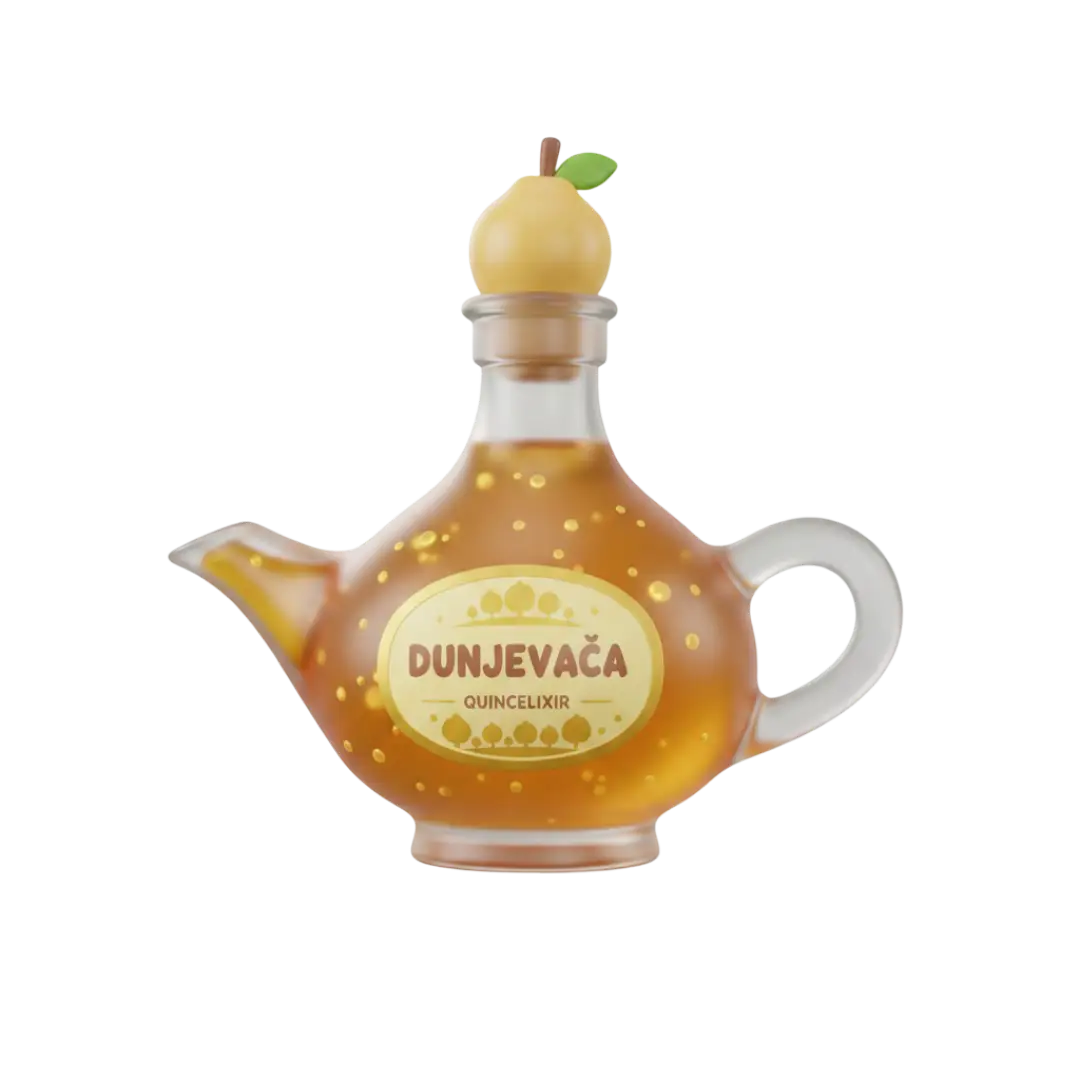
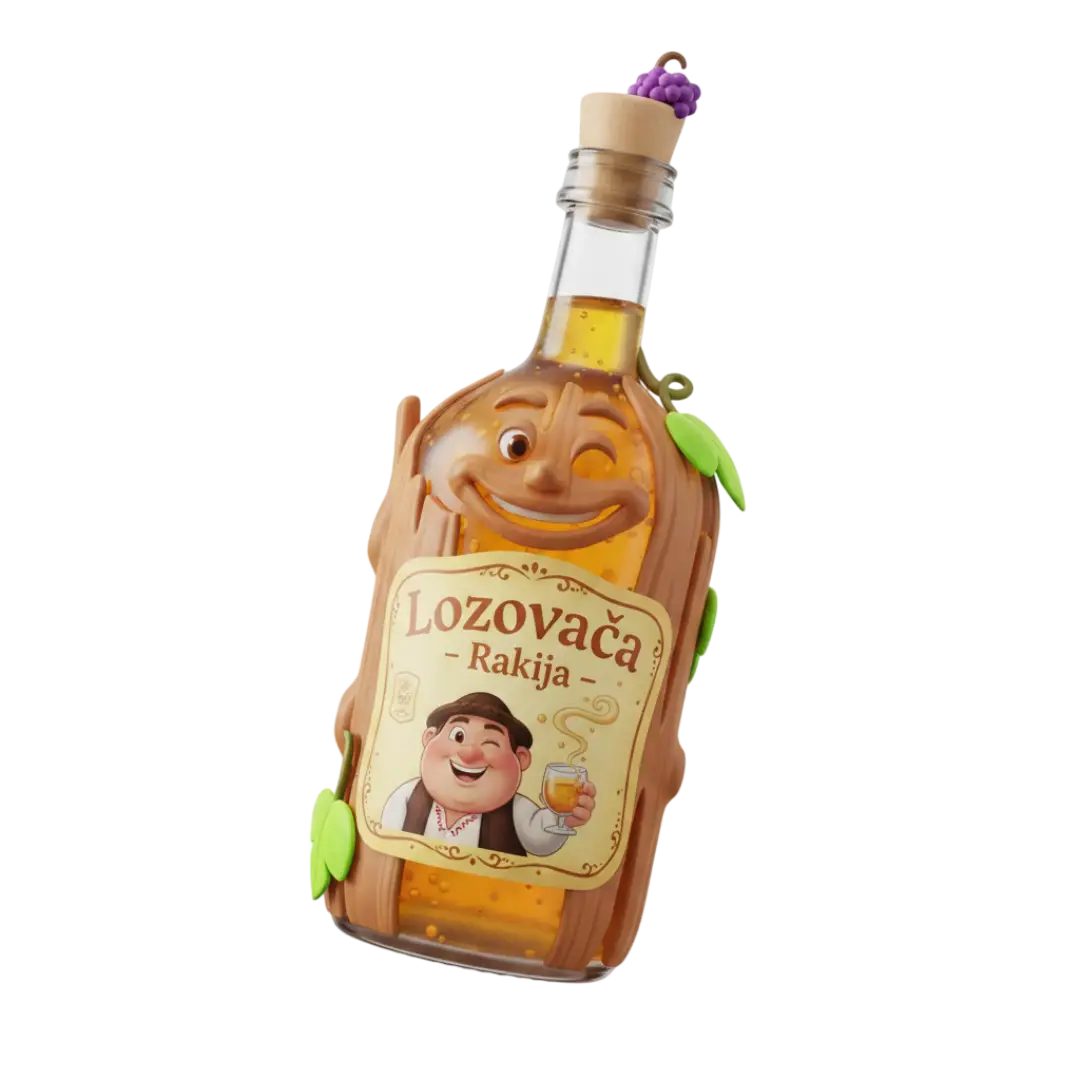
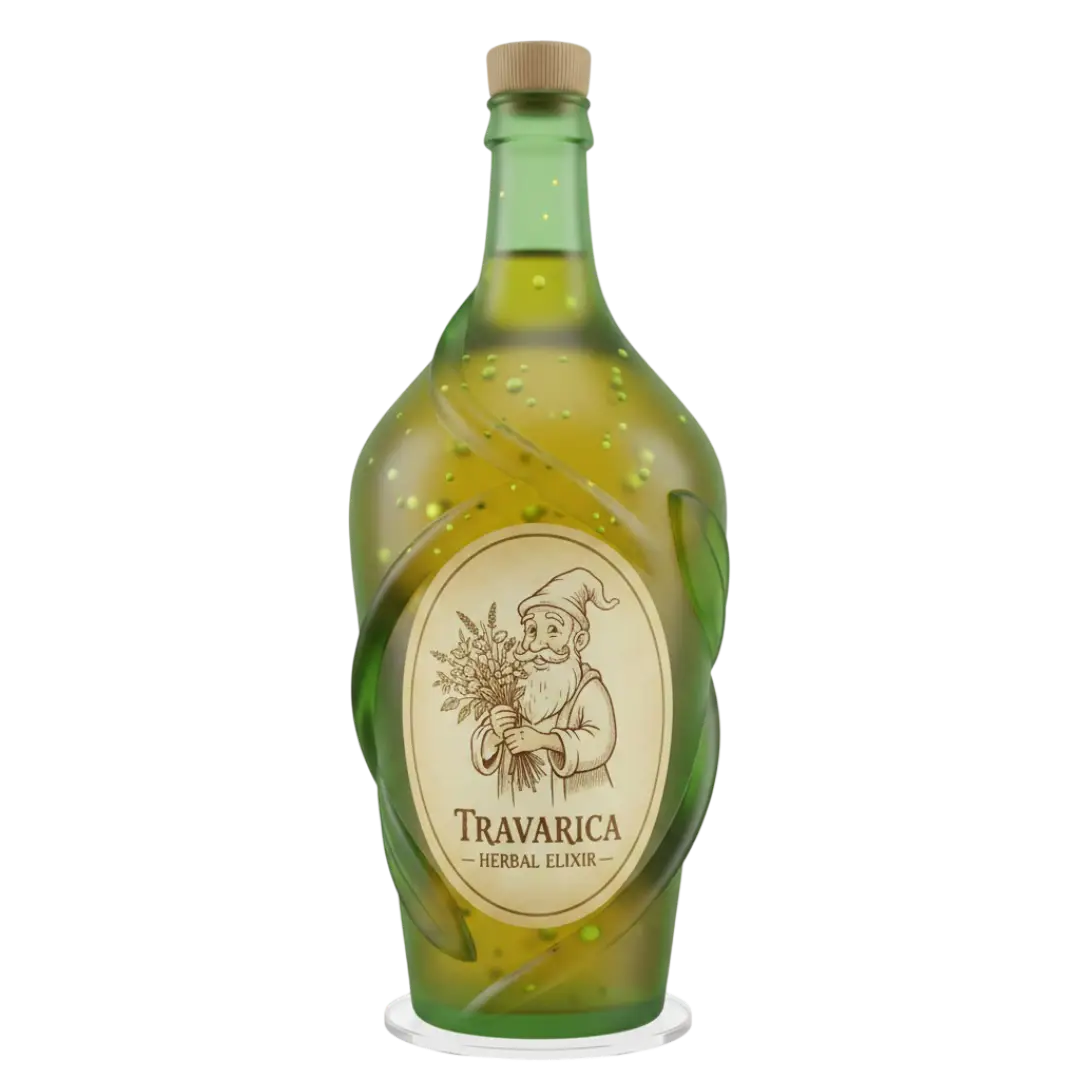
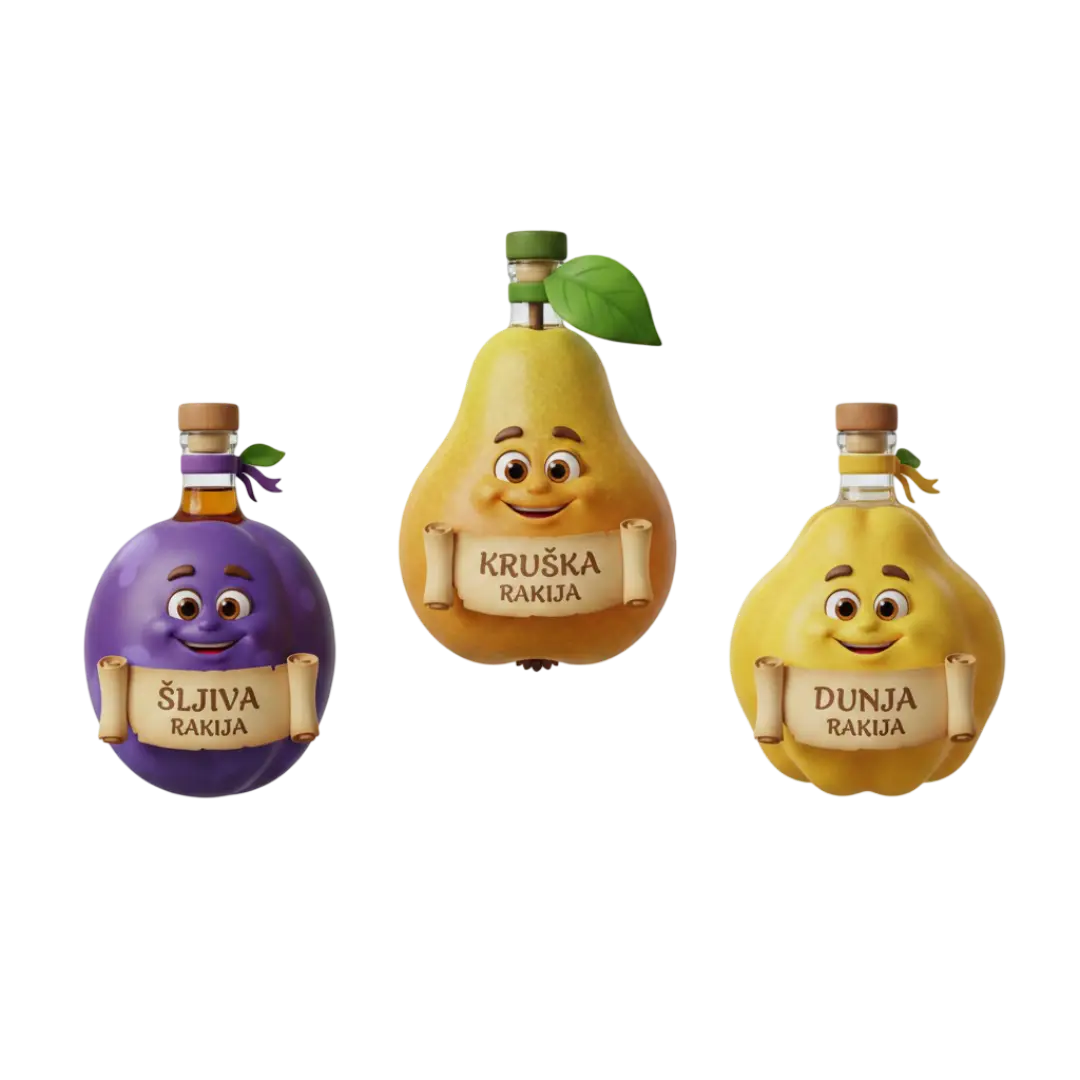
Rakijaa.com is a specialized online platform dedicated to brandy.
In one place we gather distilleries, their products and stories about the origin, production process and people behind each brandy.
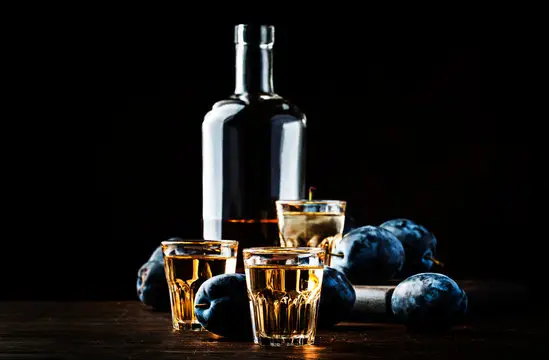
Rakija is a traditional fruit-based spirit originating from the Balkans and is particularly popular in Serbia, Croatia, Bosnia and Herzegovina, Montenegro and North Macedonia. It is produced by distilling fermented fruit and is known for its rich aroma, natural taste and great cultural significance.
Rakija is more than just an alcoholic beverage — it represents hospitality, celebration, craftsmanship, and a heritage passed down from generation to generation. It is often offered to guests as a sign of respect and friendship, and enjoyed during family gatherings, festivals, and special occasions.
Rakija is an alcoholic beverage produced by distilling fermented fruit and has a long and rich history in the Balkans, especially in Serbia. The first written records of rakija in this region date back to the 14th century, during the Nemanjić dynasty. However, some historians believe that Serbs began producing rakija even earlier, under the influence of Byzantium and neighboring nations.
In the Ottoman Empire, brandy was known as “raki” and was produced in monasteries. Serbian monasteries were known for producing high-quality brandy, which was also used for medicinal purposes. During the 19th century, with the development of crafts, brandy became an important part of Serbian culture and economic life.
Why is brandy so important to Serbs?
For Serbs, rakia is not just an alcoholic drink – it is part of their national identity. It accompanies Serbs through all the important moments of life: births, weddings, funerals, holidays and everyday life. In the past, almost every family had its own rakia, made according to a family recipe that was passed down from generation to generation.

Fruit picking and preparation
Fruit is picked when fully ripe, carefully selecting only the highest quality fruits. The fruit is washed, cleaned and chopped.
fermentation
Chopped fruit is placed in large vats or barrels and left to ferment for 30-60 days. During this process, the sugars in the fruit are converted into alcohol.
Distillation
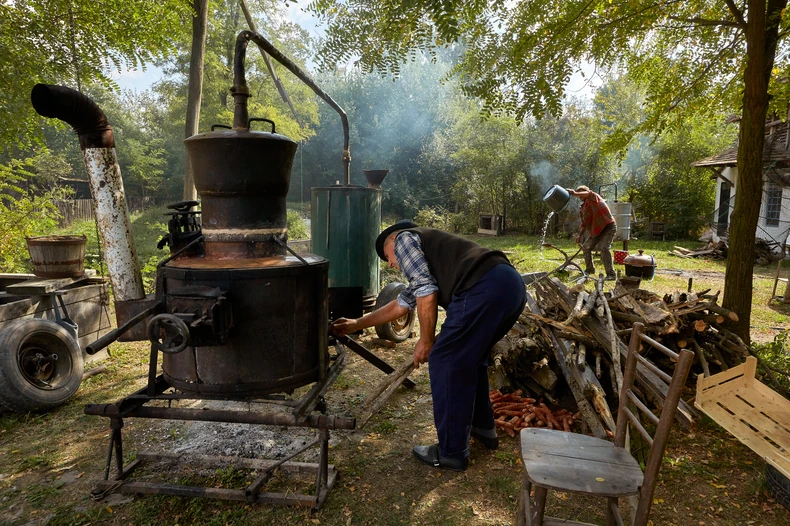
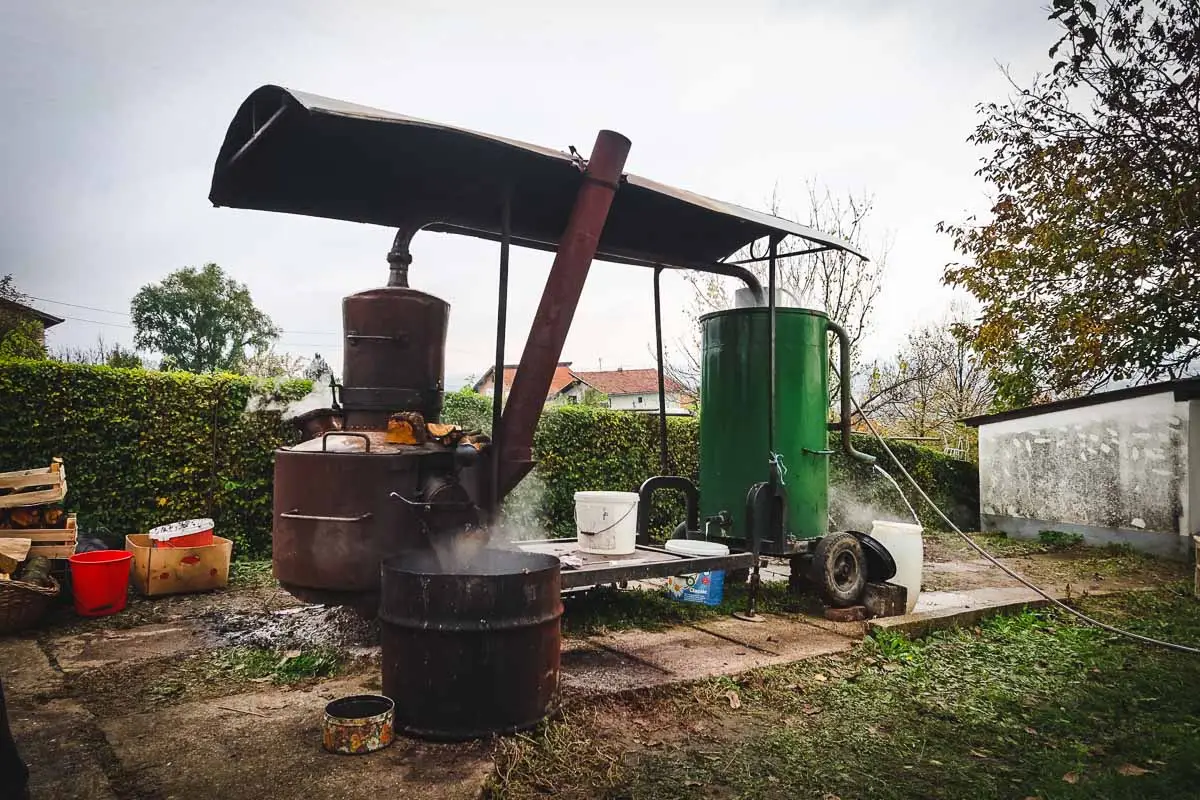
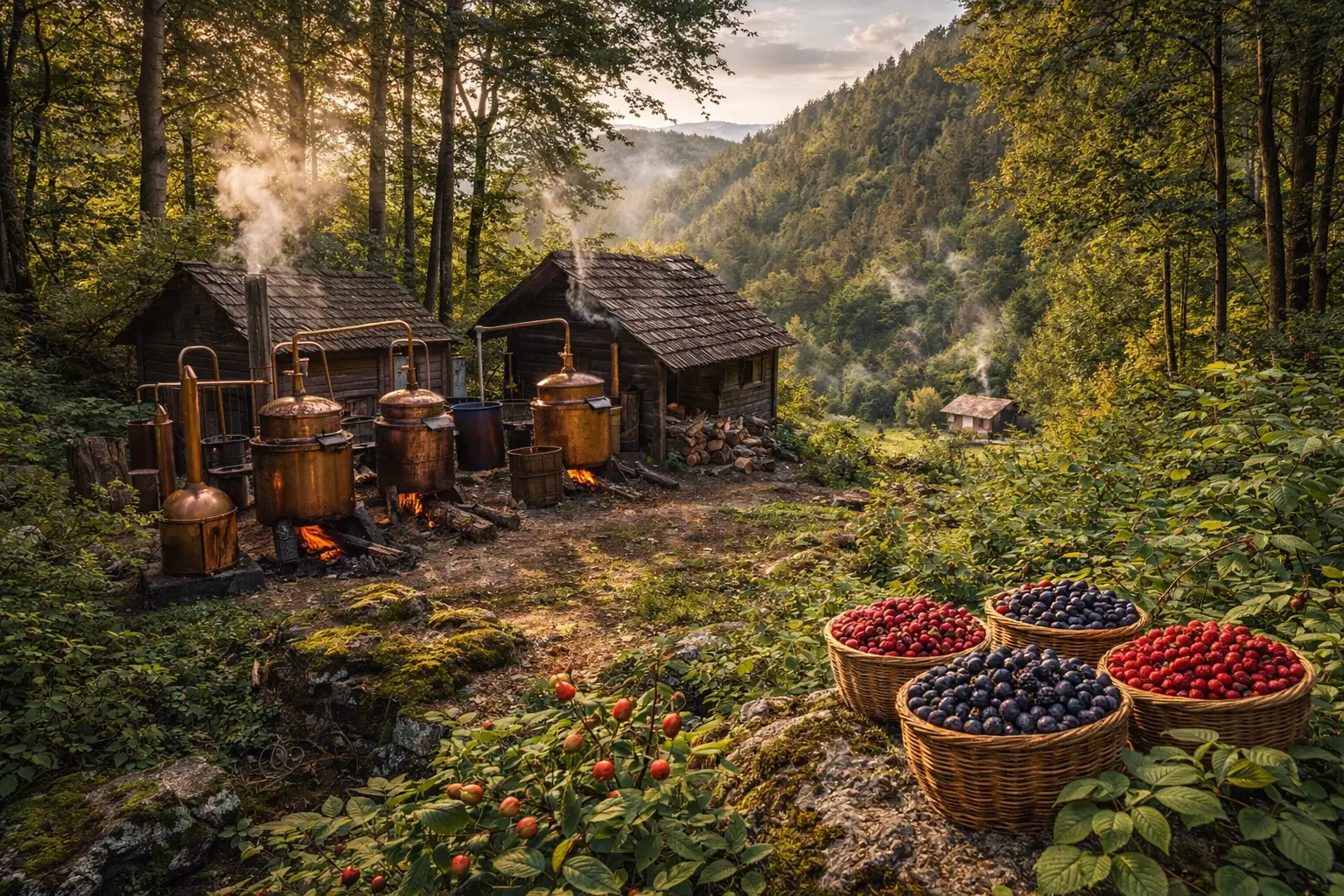
The fermented mash is distilled in copper stills (pots). The first fraction (“sermon”) is discarded, then the middle fraction (“heart”) is taken, while the last fraction (“tail”) is also discarded.
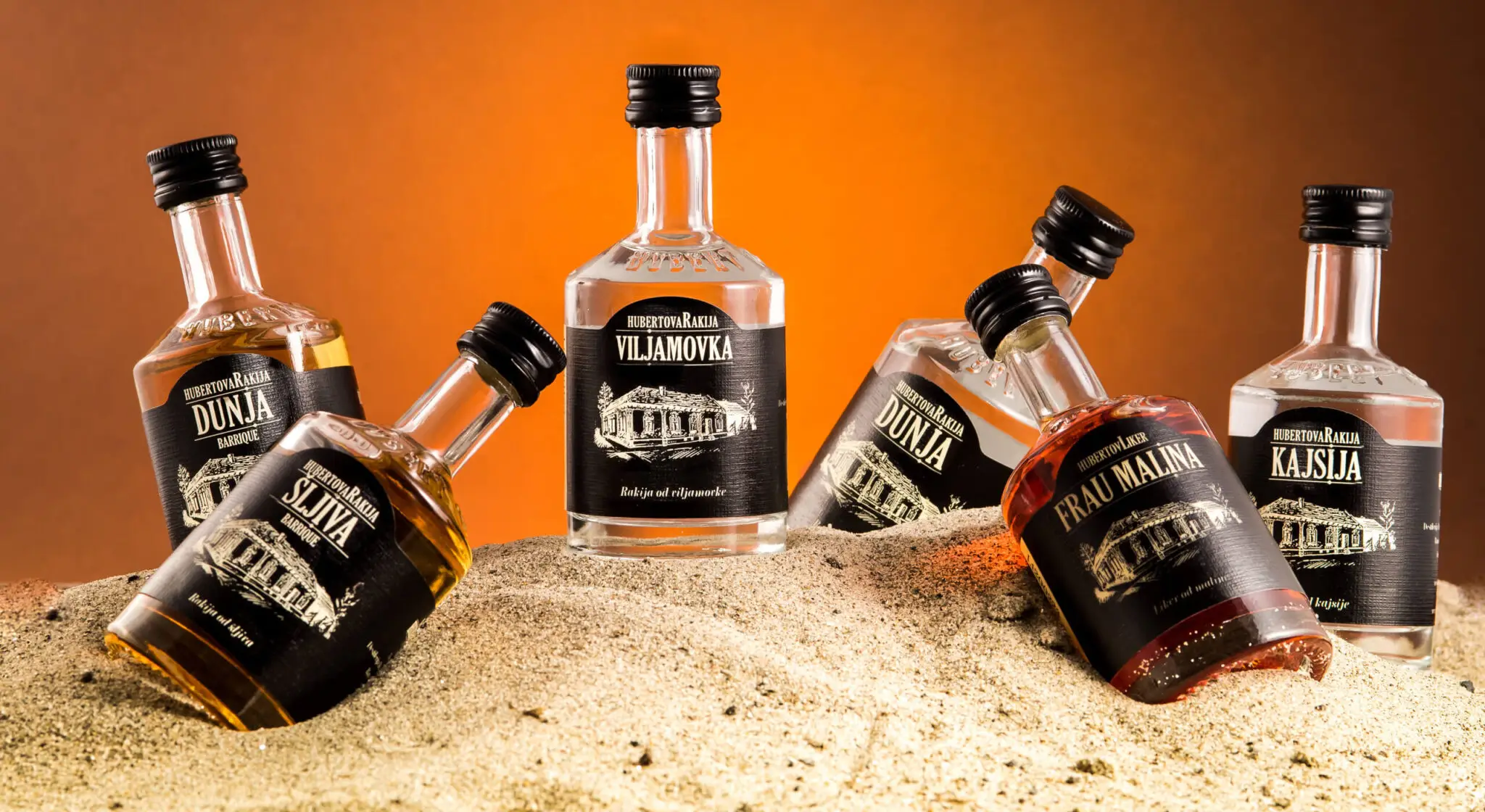
There are many types of brandy in Serbia, depending on the type of fruit it is made from, the region and the method of production. Each type has its own character, aroma and taste.
We represent the different types of distilleries that shape the brandy tradition — from small family producers to modern commercial operations, each with its own philosophy, process, and production scale.
Texts about brandy, distilleries, their successes, methods of preparation and …